top of page

School & Youth Programs

Growing Curiosity—One Plant at a Time
Bring science to life with a hands-on planting experience designed to help young people explore, create, and grow.
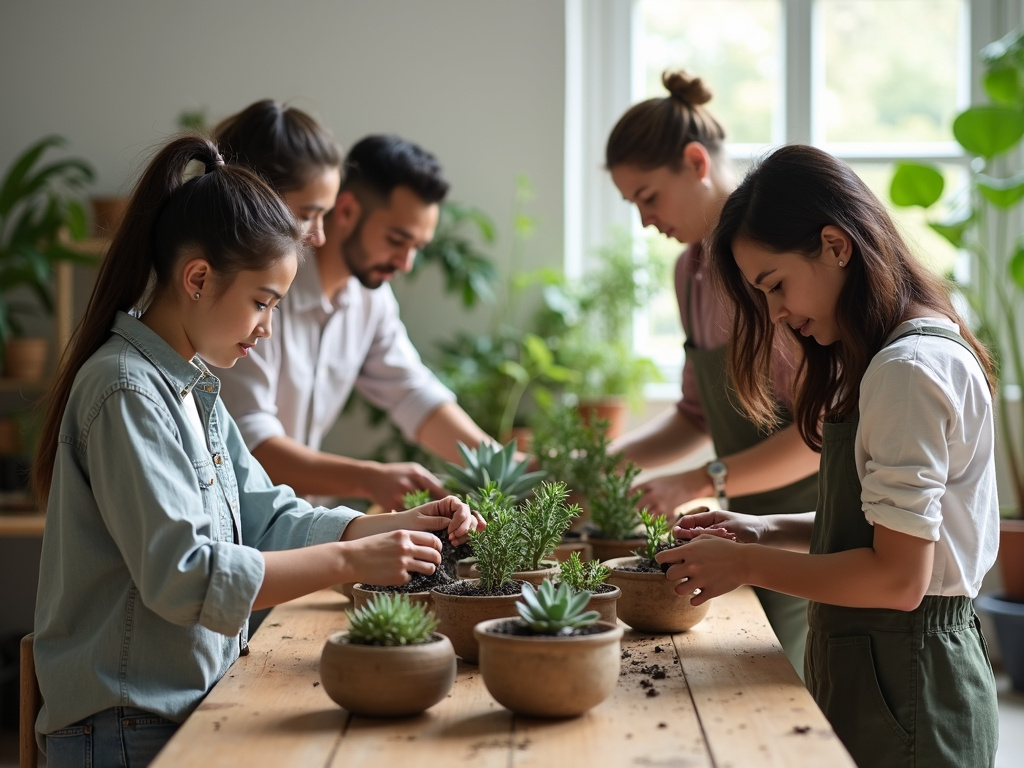
Saddle & Sage programs combine living plants, age-appropriate science, creative design, and real-world connections. Students do more than assemble a planter: they observe, investigate, make choices, and learn how plants interact with water, light, soil, animals, and people.
Programs can be adapted for classrooms, grade-level events, after-school programs, PTA family nights, Scouts, youth organizations, summer programs, and community events.
More Than a Planting Activity
Our programs are designed to connect with the California Next Generation Science Standards through meaningful, hands-on learning.
Depending on the grade level and selected experience, students may:
-
Identify what plants need to survive
-
Investigate the effects of water, light, and growing conditions
-
Examine the functions of roots, stems, leaves, and flowers
-
Model plant life cycles, pollination, or seed dispersal
-
Explore how matter and energy move through a growing system
-
Connect healthy plants to food production and sustainable agriculture
-
Collect observations, compare evidence, and explain their findings
-
Discover careers connected to plants, agriculture, natural resources, and environmental science
Each experience can include a take-home plant project, student activity, care guide, and optional classroom follow-up.
Program Experiences
Little Sprouts Science
Recommended for Grades K–2
What do plants need to live and grow? Students examine a living plant, identify its major parts, explore the importance of water and sunlight, and build a simple growing system of their own.
Possible projects include:
-
Seed-starting pots
-
Mini herb gardens
-
Small succulent planters
-
Decorate-and-plant terracotta pots
-
Classroom plant investigations
Students leave with a plant to care for and a simple observation or care activity to continue at home or in the classroom.
Pollinators, Seeds & the Food We Eat
Recommended for Grades 2–3
Students explore the relationship between flowering plants, pollinators, seeds, and the foods people eat. Through models, observation, and planting, students discover how plants reproduce and why pollinators are important to healthy ecosystems and agriculture.
Possible projects include:
-
Pollinator-friendly planters
-
Wildflower seed gardens
-
Flowering herb gardens
-
Seed-dispersal activities
-
Bee and butterfly habitat projects
This experience pairs especially well with science nights, garden programs, environmental education, and family engagement events.
Growing Systems
Recommended for Grades 4–5
A planter is more than a container—it is a small growing system. Students investigate how roots, stems, leaves, water, air, light, soil, drainage, and available space work together to support plant growth.
Possible projects include:
-
Multi-plant succulent gardens
-
Herb-growing systems
-
Terrariums
-
Water and light investigations
-
Soil, drainage, and root-zone demonstrations
Students use observations and evidence to explain how their planter functions and what their plants will need over time.
Sustainable Agriculture Design Challenge
Recommended for Grades 6–12
How can we grow healthy plants when water, space, soil, time, or money is limited?
Student teams receive a real-world growing challenge and design a plant or food-production system that responds to specific criteria and constraints. Depending on the program, students may evaluate water use, plant selection, environmental conditions, cost, pollinator support, waste, and long-term care.
Possible challenges include:
-
Designing a drought-conscious food garden
-
Growing in a small urban space
-
Creating a pollinator-supporting planting system
-
Comparing soil, water, light, or fertilizer conditions
-
Developing a sustainable school garden concept
-
Calculating the resources needed to grow a crop
Programs can incorporate data collection, graphing, written explanations, presentations, and career exploration.
Creative Youth Workshops
Not every gathering needs to be a full science lesson. Saddle & Sage also offers creative planting experiences for enrichment programs, celebrations, youth groups, and family events.
Options may include:
-
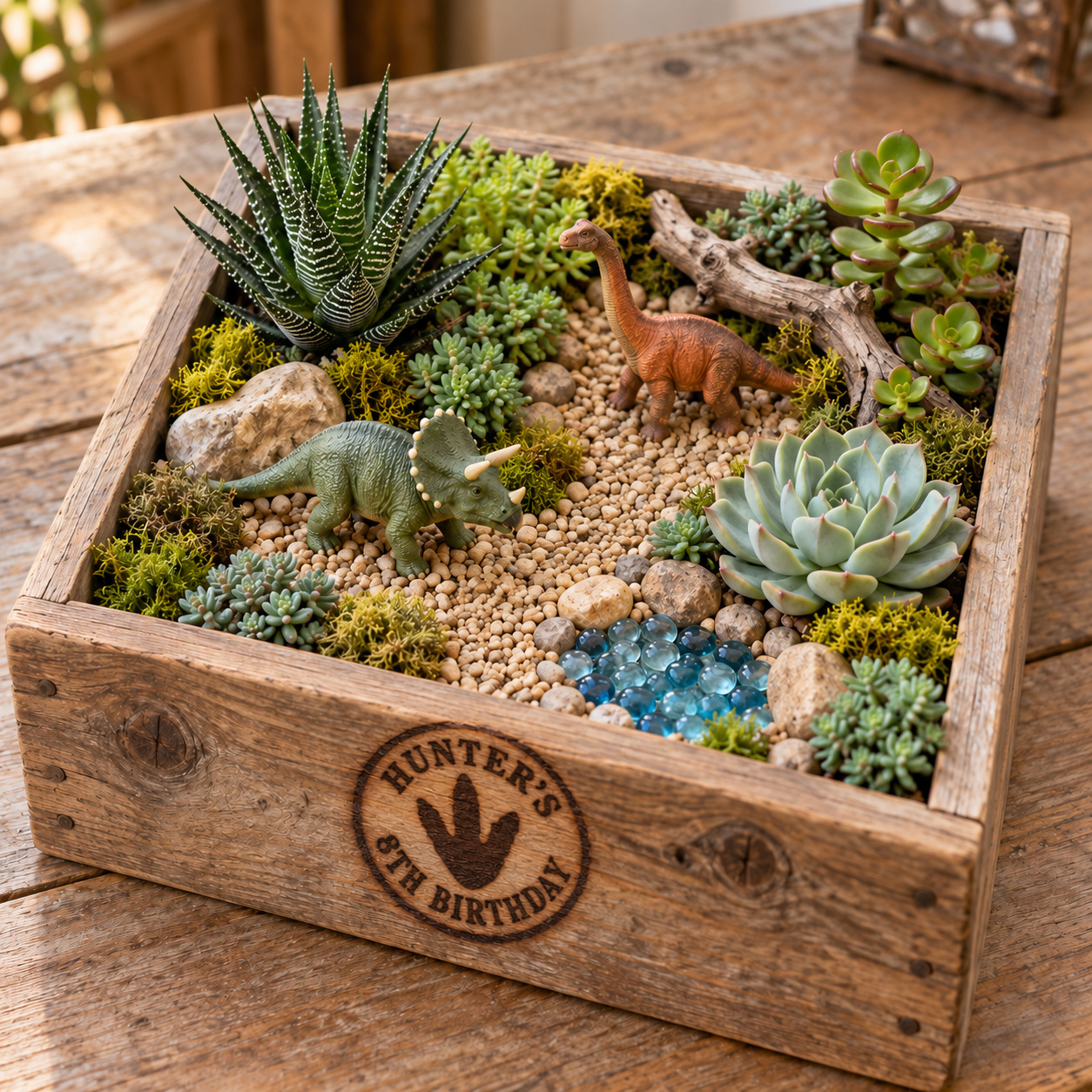
Dinosaur succulent gardens
-
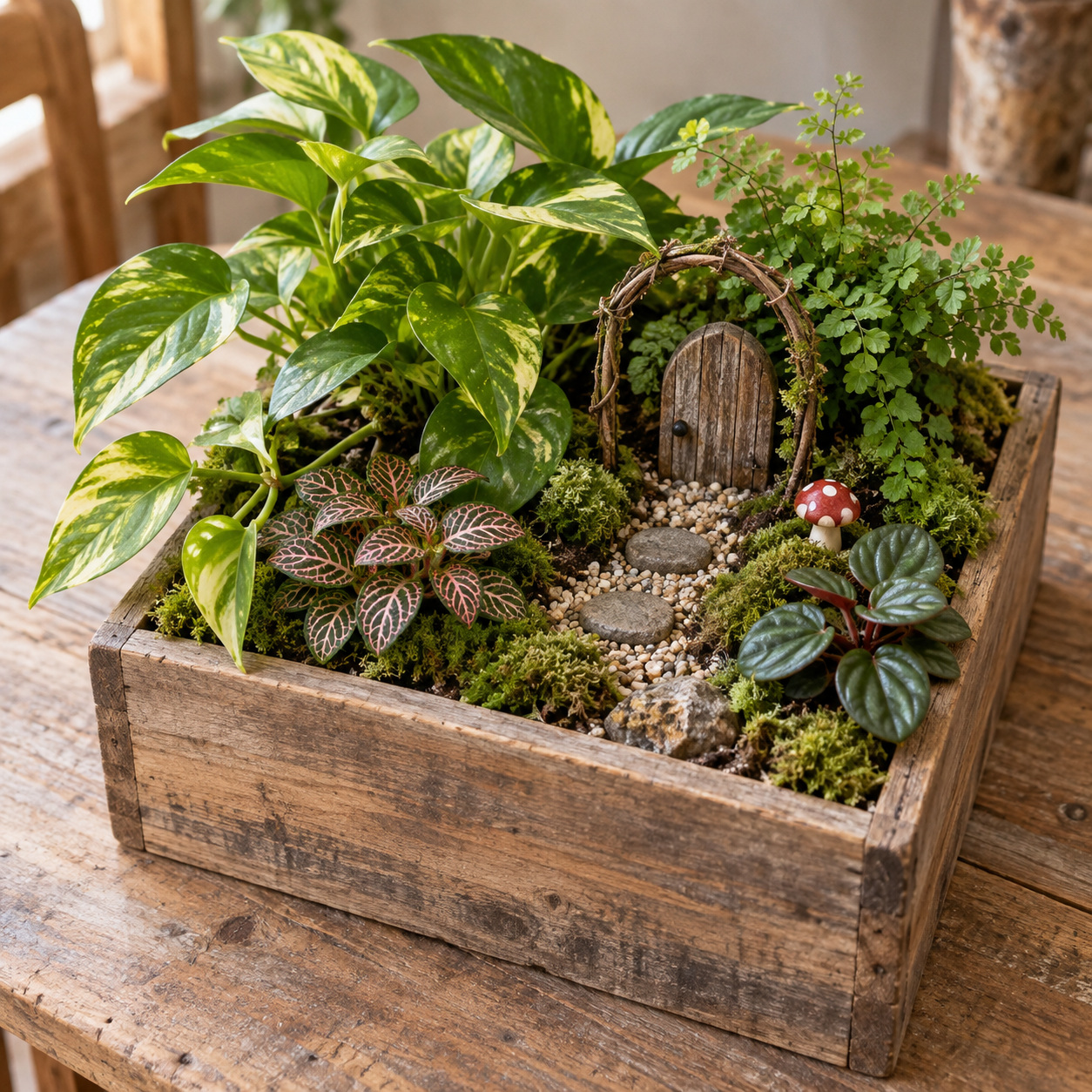
Fairy gardens
-
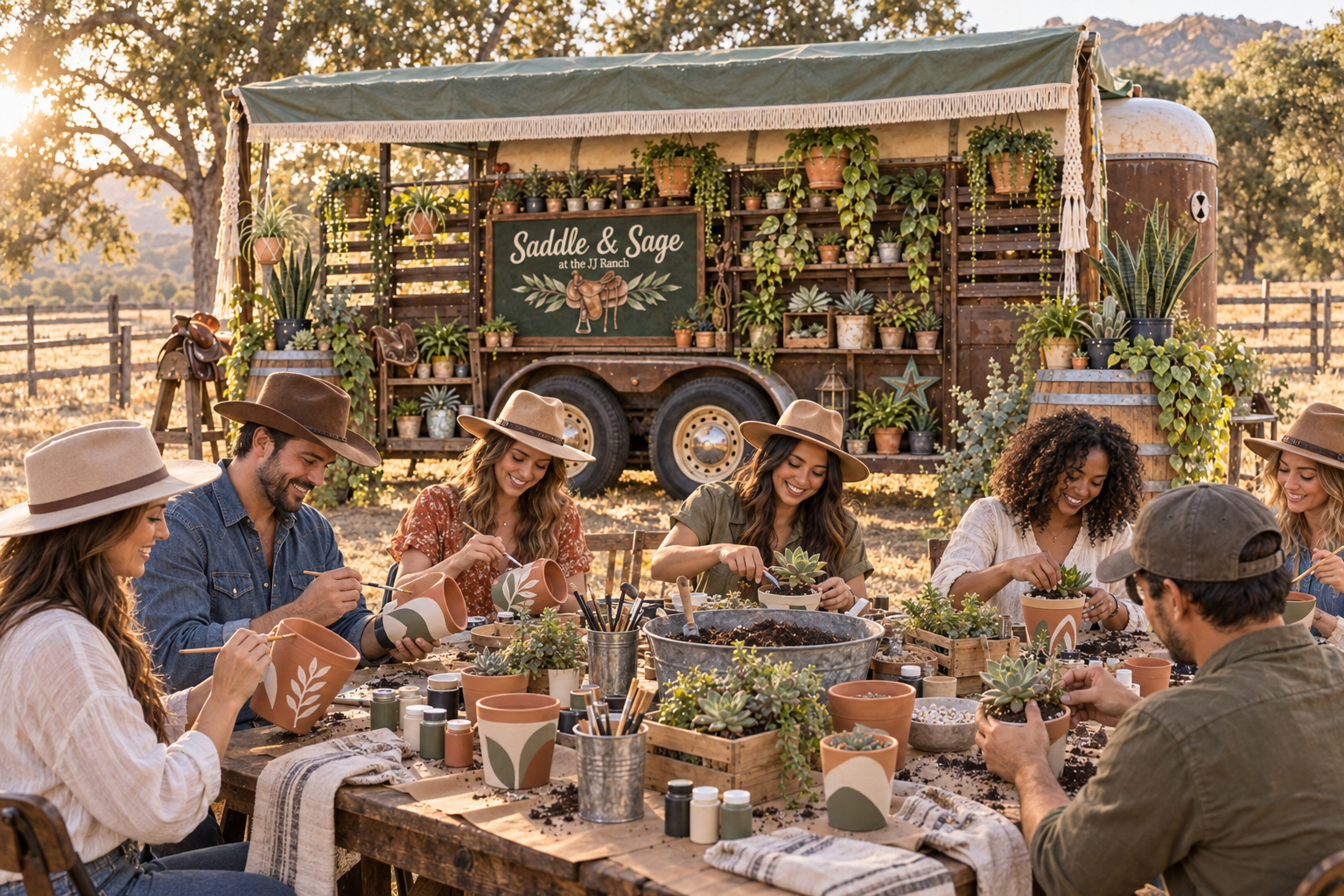
Paint-and-plant terracotta pots
-
Mason-jar herb gardens
-
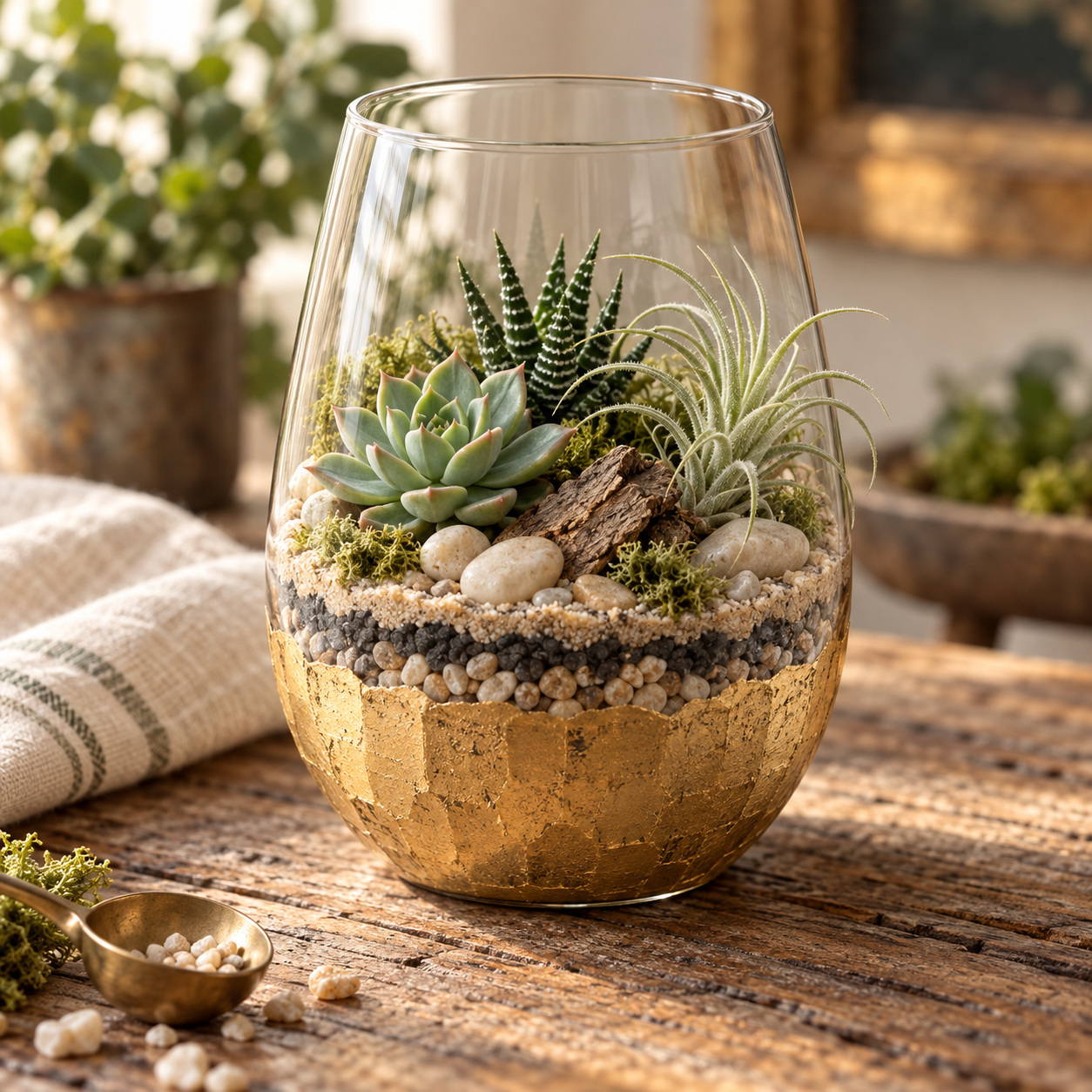
Miniature terrariums
-
Adopt-a-Plant bars
-
Custom-branded school or organization planters
-
Seasonal planting projects
Creative workshops can include a lighter educational component or be expanded into a complete standards-aligned lesson.
Designed by an Educator
Saddle & Sage programs are developed by Brandi Augenstein, an educator with 25 years of experience in K–12 education, school counseling, career and technical education, district leadership, and career-connected learning.
That background shapes every experience. Programs are designed with student engagement, age-appropriate instruction, classroom realities, accessibility, and meaningful learning in mind—not simply as crafts with a science label added afterward.
We Bring the Experience to You
Programs can be delivered in several formats:
-
Inside a classroom or multipurpose room
-
Outdoors on a school campus
-
At a PTA or family engagement event
-
Under our Saddle & Sage 10×10 workshop canopy
-
With Gladys, our mobile ranch boutique and workshop trailer, when space and access allow
Saddle & Sage provides the plants, containers, soil, planting materials, tools, and guided instruction. Event setup, group size, tables, seating, water access, and cleanup needs are coordinated in advance.
Customized for Your Students
We can adapt the experience based on:
-
Grade level and student needs
-
Group size
-
Available time
-
Learning objectives
-
Indoor or outdoor location
-
School theme or special event
-
Budget and take-home project
-
Accessibility and sensory considerations
-
Desired level of standards alignment
-
Career or sustainability connections
Programs may be offered as one-time workshops, rotating classroom stations, grade-level experiences, family nights, or multi-session investigations.
Let’s Grow Something Together
Tell us about your students, event, and learning goals. We’ll help you select or customize a planting experience that is engaging, manageable, and rooted in meaningful learning.
Request a School or Youth Program


bottom of page